
If you look at gold prices now, they do not stay the same for long.
They keep changing based on what is happening around the world, like economic updates, inflation, and global events.
Because of this, more people are paying attention to how gold prices move, not just traders but also businesses and investors.
These changes create more chances to buy and sell at the right time.
To make use of these opportunities, people need platforms that are fast, simple, and easy to use.
That is why online trading platforms are becoming more popular today.
They help users track prices, understand the market, and take action quickly.
In this blog, let us understand how gold price changes are increasing market activity and supporting the growth of trading platforms.
Gold Market Growth and Increasing Trading Activity
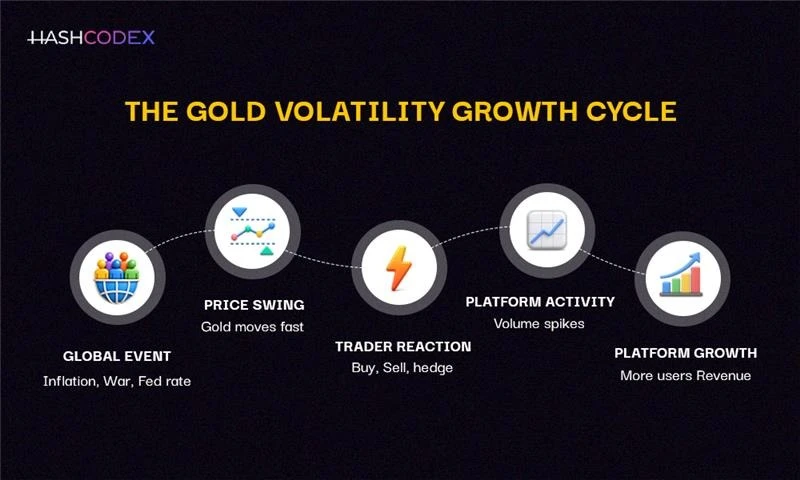
Gold prices often change because of inflation updates and global events. These movements keep traders active and encourage more people to follow the gold market. As interest grows, trading activity also increases, especially on online platforms.
According to industry insights, the global gold market was valued at $308.32 billion in 2025 and is expected to reach $513.00 billion by 2034, growing at a CAGR of 5.8%. This steady growth shows that interest in gold trading continues to rise.
As trading activity increases, platforms play an important role in managing these trades. Traders rely on digital platforms to check price changes and place trades quickly when the market moves.
To understand this connection better, let us explore how gold price volatility directly drives the growth of commodity trading.
How Gold Price Volatility Drives Growth for Commodity Trading Platforms?
Gold price volatility means that the price of gold changes frequently within short periods. These changes often happen because of economic updates, global events, or shifts in market demand.
Because these price movements happen often, traders respond when new opportunities appear. This continuous activity also increases the use of digital trading platforms.
Let’s explore the key ways gold price volatility drives platform growth.
Increased Trading Activity
When gold prices fluctuate within short periods, traders make more decisions, which directly increases platform usage:
- Traders place more buy and sell orders
- Short-term trading becomes common
- Daily transaction volumes rise
- Users log in frequently to track price movements
Higher trading frequency strengthens engagement and retention, helping platforms grow consistently.
Attraction of New Market Participants
Volatile markets often draw new traders looking to benefit from price movements. Digital platforms make market entry simple and accessible.
- Retail traders join through easy-to-use online tools
- Experienced traders explore short-term opportunities
- Institutional participants expand their trading exposure
As participation grows, platforms gain new users and broader market reach.
Demand for Better Trading Experiences
Frequent price changes also raise trader expectations. Users prefer platforms that help them react quickly and make informed decisions.
Platforms must support:
- Real-time price tracking
- Fast trade execution
- Clear market data visualization
- Stable performance during peak activity
This demand encourages platforms to continuously improve alongside market conditions.
Enhanced Risk Management and Analytics
Gold price volatility pushes traders to rely on advanced tools to manage risk effectively. Platforms that provide these tools gain more engagement and trust:
- Users access risk management dashboards to track exposure.
- Automated alerts help traders react quickly to price swings.
- Advanced analytics allow traders to identify trends and optimize strategies.
- Platforms offering educational insights on volatility attract more informed users.
Continuous Platform Growth Through Market Movement
Gold volatility creates a growth cycle.
Price movements ➡️ increase trading activity
Higher activity ➡️ attracts more users
This growing participation strengthens the platform ecosystem. Rather than slowing progress.
As trading activity grows, businesses must build platforms capable of handling these changing market conditions effectively.
Key Features Commodity Trading Software Must Include
As trading activity increases during gold price fluctuations, platforms must offer tools that help traders act quickly and confidently. Commodity trading software plays an important role by providing features that support trading.
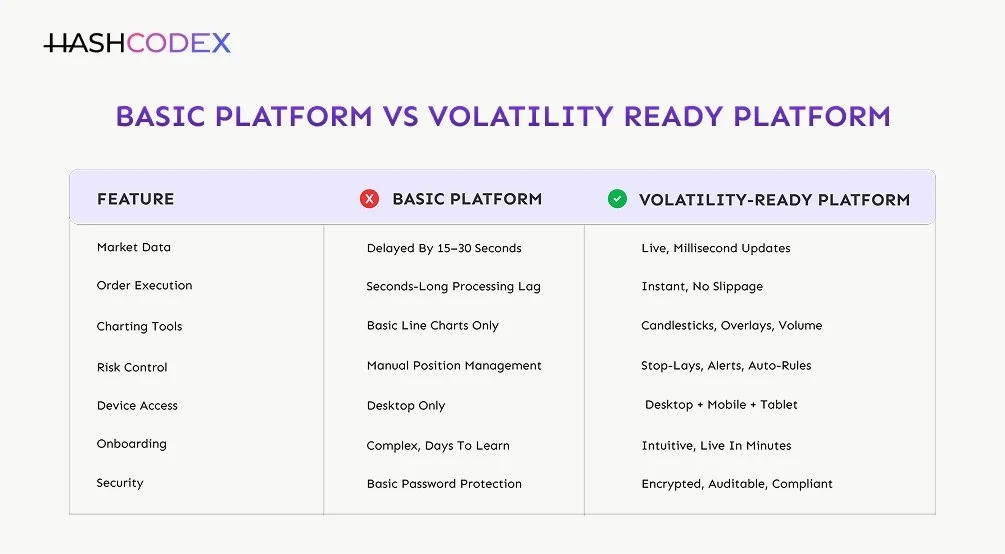
- Real Time Market Data
Traders need live price updates to make timely trading decisions during fast market movements.
- Fast Order Execution
The software must process buy and sell orders quickly so traders can respond to price changes without delay.
- Advanced Charting Tools
Visual charts help traders understand price trends and analyze market behavior easily.
- Risk Management Controls
Features like stop loss and limit orders help traders manage potential losses during volatile conditions.
- Multi-Device Accessibility
Traders should be able to access the platform uninterruptedly from desktop, tablet, or mobile devices.
- User-Friendly Interface
Simple navigation allows both new and experienced traders to place trades without confusion.
- Secure Transaction Processing
The system must protect user data and trading activities to maintain trust and reliability.
These features highlight what modern trading platforms require, but their success ultimately depends on the expertise of the development company behind them.
How to Choose the Right Commodity Trading Platform Development Company
Creating a commodity trading platform requires more than technical skills. The right development company should understand how trading markets work and how traders respond to price movements. Choosing an experienced partner helps businesses create platforms that match real market needs instead of offering basic functionality.
When selecting a commodity trading platform development company, businesses should consider the following factors:
- Industry Understanding
The company should know about commodity markets and trading workflows.
- Customization Capability
Platforms should be built based on business goals rather than using fixed templates.
- Experience in Trading Solutions
Prior work in trading or financial platforms shows practical expertise.
- Integration Support
The platform must connect with market data providers, payment systems, and third-party tools.
- Post Launch Assistance
Ongoing support and updates help platforms adapt as market conditions change.
Choosing the right development partner ensures that the platform can grow along with market demand and trader expectations. With the right foundation in place, it becomes easier to understand how these platforms will continue evolving in the future.
What does the future hold for Commodity Trading Platforms?
Commodity trading platforms will continue to grow as more traders move to digital systems. Traders today prefer online platforms where they can track prices and place trades quickly.
In the coming years, platforms will focus on improving the trading experience by offering:
- Faster trade execution
- Clear market insights to understand trends
- Simple and easy-to-use trading interfaces
- Access across multiple devices for trading anytime
As technology adoption increases, commodity trading platforms will become central spaces where traders track markets, place trades, and manage their activities in one place. Platforms that adapt to these changes will stay competitive in the growing commodity trading market.
Conclusion
Now that you understand how gold price volatility influences trading behavior, one thing becomes clear. Market movement does not slow platforms down. Instead, it creates new opportunities for growth and participation.
Ready to build a platform that grows with the market?
As commodity trading continues to shift online, businesses need technology that supports changing trader expectations. Hashcodex helps startups and enterprises develop commodity trading platforms that meet real market needs.
The market is moving forward. The right time to build is now.








 NDA on Request
 Free Consultation – Let’s discuss your ideas