
If the plan is to start a neobank, building another banking app is not enough.
The starting point is deciding what kind of banking business to build, who it will serve, and what it should offer.
Maybe the idea is to create digital banking for small businesses.
Maybe the business will target a specific market or bring several financial services into one platform.
Once that direction is clear, the next steps become easier to define.
So, how do you actually start a neobank?
This guide covers the key steps, from choosing the business model and banking setup to planning the technology, development, cost, and launch.
What Is a Neobank?
A neobank is a digital-first bank that provides banking and financial services through an app or website instead of physical branches. It can offer digital accounts, money transfers, payments, debit cards, and other financial services online.
Neobanks use technology to make banking services available through digital channels.
The platform brings these services together in one place, allowing customers to handle their everyday banking through their phone or computer.
Why Start a Neobank?
A neobank can give founders a way to enter financial services without starting with a traditional branch based banking model. The business can begin around one clear service and add more as demand grows.
That is what makes Monzo’s story interesting.
Monzo launched in the UK in 2015 with a prepaid card. From there, the company kept adding financial services, including current accounts, savings, loans, payments, and subscription plans.
The result? In 2025, Monzo reported £1.2 billion in revenue and £60.5 million in profit before tax.
For founders, the takeaway is clear: a neobank can start with a focused offering and develop into a broader financial services business with several revenue sources.
Source: https://monzo.com/annual-report/2025
Starting a Neobank: Key Steps to Follow
1. Choose the Neobank Business Model
First, decide what kind of banking business is being built.
A neobank can serve individuals, small businesses, freelancers, or a specific industry. The choice affects the services offered, the type of customers to attract, and how the business can earn money.
So, this is a good place to decide what the neobank should be known for.
2. Select the Target Market and Launch Country
The next step is choosing where the neobank will operate.
This is not only about finding customers. Banking rules, currencies, payment networks, data requirements, and available financial partners can all change from one country to another.
For example, the model used to launch a neobank in the UK may not work the same way in India or the US. So the market should be selected before the product is planned in detail.
3. Decide on the Licensing and Banking Model
A neobank needs a legal way to provide banking services. There are two main choices: get the required licence or work with a licensed financial institution.
If getting a licence is not the preferred route, the business can work with a licensed bank or Banking as a Service provider. The partner provides the banking infrastructure, while the neobank builds its own digital product on top of it.
The other route is to apply for a licence directly. The type of licence depends on the country and the services the neobank plans to offer. Some businesses may need an electronic money or payment licence, while others may need a banking licence.
The right choice depends on what the neobank plans to offer, where it will operate, and how much control the business wants over its financial services.
4. Define the Banking Services and Features
Now decide what customers should actually be able to do.
Start with the main service rather than creating a huge feature list. That could mean accounts and payments first, followed by cards, savings, lending, investments, or other services.
Monzo followed a similar product expansion path. Its 2025 report shows revenue coming from deposits, transactions, lending, subscriptions, and other products.
5. Choose the Neobank Development Approach
Once the product is clear, decide how much of the platform needs to be built.
Existing neobank software or BaaS can reduce the amount of infrastructure built in house. A more independent approach gives the business greater control over the technology.
A white label neobank solution is another option for businesses that want to launch using an existing banking platform rather than developing every component from the beginning.
Before choosing, check API access, data ownership, transaction limits, contract terms, and what happens if the provider needs to be replaced.
6. Build the Platform and Connect Financial Services
Now the visible app comes into the picture.
But there is much more behind it: a core banking system or ledger, account management, transaction processing, cards, payments, KYC, AML, and an admin system. The ledger is particularly important because it records balances and transactions across the platform.
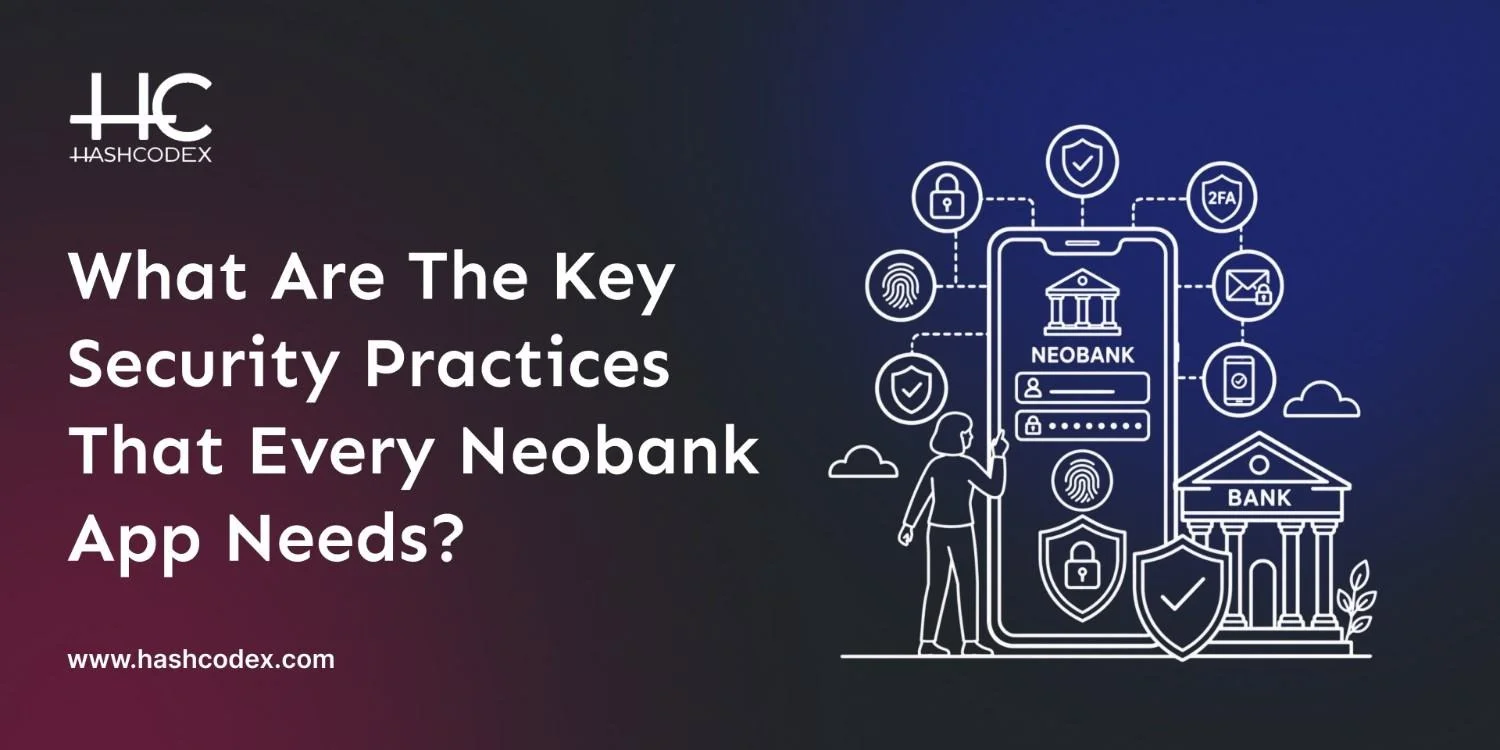
7. Implement Security and Compliance
This part should be built into the product, not added just before launch.
Customer verification, KYC, AML checks, sanctions screening, transaction monitoring, authentication, permissions, and audit records all need to work as part of the banking flow.
The exact requirements depend on the country and the licensing or partnership model chosen.
To know more Read our neobank security practices guide
8. Test and Prepare for Launch
Before the first customer joins, test the situations that can actually happen in a banking product.
Create an account. Complete KYC. Send a payment. Make a card transaction. Try a failed transfer. Process a refund. Check the balance and transaction record.
Testing these flows helps identify problems across the app, ledger, financial providers, and admin system before launch.
How Much Does It Cost to Start a Neobank?
Starting a neobank can cost anywhere from $40,000 to $260,000+, depending on what the business plans to offer.
The neobank app development cost can include:
→ Licensing: Legal and regulatory costs
→ Technology: App, backend, admin panel, and core banking systems
→ Integrations: Banking, payment, card, and KYC services
→ Security: Compliance, fraud monitoring, and data protection
→ Team: Development, support, hosting, and maintenance
A basic platform may cost less, while multiple financial services and integrations can push the budget higher.
How Does a Neobank Make Money?
A neobank can earn revenue from several financial services rather than depending on one source.
Subscription fees: Premium accounts can charge customers a monthly fee for additional services.
Card fees: Revenue can come from card usage and related services.
Transaction fees: Certain payments and transfers can generate fees.
Interest income: Lending and deposits can provide interest based revenue.
Foreign exchange: Currency conversion can generate fees or margins.
If the neobank offers the right mix of services for its target market, these revenue streams can work together to support the business.
Common Mistakes to Avoid When Starting a Neobank
Some mistakes can create major problems for a neobank before launch.
Choosing a licence after development has started: The licence determines which services can be offered, so changing it later can affect the product architecture.
Selecting a BaaS provider without checking its limits: Some providers may not support the required countries, currencies, card programmes, or payment rails.
Using a single provider for critical financial services: If one provider handles banking, payments, cards, and verification, a problem with that provider can affect several parts of the neobank.
Not planning transaction reconciliation: Balances in the neobank system must match records from banks and payment providers.
Underestimating regulatory and third party costs: Licence fees are only one part of the budget. Compliance tools, banking partners, card providers, KYC services, and transaction fees can add considerably to ongoing costs.
Launching without testing failure scenarios: Failed payments, duplicate transactions, reversed transfers, frozen accounts, and KYC failures need to be tested before launch.
How Hashcodex Helps Build Neobank Software?
Hashcodex supports businesses looking to build their own digital banking platform through different development options. These include white label neobank software and custom neobank development, depending on the level of control and ownership required.
As a neobank app development company, Hashcodex can develop the banking platform, customer app, admin panel, account management, transaction processing, and connect banking, payment, card, and KYC services.
The platform can also be built around the business model, target market, and financial services planned for launch.
Want to see the process? Read our guide on how Hashcodex helps builds neobank apps.
FAQs
1. Do I need a banking licence to start a neobank?
No, a full banking licence is not always required to start a neobank. A business can work with a licensed bank or Banking as a Service provider to offer certain financial services. The requirement depends on the country, services offered, and chosen business model.
2. Can I start a neobank through a Banking as a Service provider?
Yes, a neobank can be launched through a Banking as a Service provider. The provider supplies banking infrastructure and APIs, while the business builds its own digital banking product and customer experience.
3. How long does it take to launch a neobank?
A neobank can take 5 weeks to 4 years to launch, depending on the development approach, features, integrations, compliance requirements, testing, and licensing or banking partnerships.
4. What technology is needed to build a neobank?
A neobank needs mobile technology, backend infrastructure, a core banking or ledger system, APIs, cloud hosting, and financial integrations. The exact stack depends on the services, transaction volume, and banking model.
5. What should be included in a neobank MVP?
A neobank MVP should include the core banking services planned for the first launch. This can include account creation, KYC, account management, payments or transfers, transaction history, notifications, and an admin panel.
6. How much does it cost to build a neobank app?
Building a neobank app can cost around $40,000 to $250,000 or more. The final cost depends on the features, development approach, banking and payment integrations, compliance requirements, and launch country.










 NDA on Request
 Free Consultation – Let’s discuss your ideas